
01
Monument, plaque
Monument, plaque, memorial stone, statue, carved post or installation.
Photo: Wikimedia Commons — Hungarian Freedom Fighters Monument, Washington

Monuments, plaques, carved posts and squares beyond Hungary. A public, searchable collection built together.
Between November 1956 and the first week of January 1957, in little more than two months, some two hundred thousand people left Hungary. Via Vienna, Traiskirchen and Yugoslavia they made their way to Toronto, Cleveland, Munich and Sydney, and countless other places where they put down roots and in time left their mark: a carved wooden post in a cemetery corner, a bronze plaque on a community hall, a monument in a quiet corner of their new city, or a name commemorated in a square, on a bench, in a park or on a street corner.
Many of these memorials were raised out of love and a sense of belonging, without any official register to record them. Some have been lost in time, others have been relocated, while new ones continue to appear including in Atlanta or in Australia.
On the 70th anniversary of the 1956 Revolution, the Ministry of Foreign Affairs pays tribute to the memory of the Hungarian struggle for freedom through this site.
Through what is known as citizen science, we hope to bring together a record of memorials to the 1956 Revolution around the world along with the stories they evoke.
Wherever you live, if you know of a monument, square or street that commemorates the Revolution, take a photograph and upload it to the website. A memorial may be a statue or a plaque, a street, park or district named in connection with 1956, or even a community space established by Hungarian refugees.
This is not a memory set in stone but a living heritage. Alongside the memorials, we invite you to share personal stories of rebuilding lives after the 1956 Revolution, each connected to the memorial in the place where a family found a new home.
Let us tell the stories how new lives were built, how the new homeland helped people settle in, how families made a life for themselves, and how communities kept the memory of the Revolution alive. Let us pass our memories on and honour those who came before us by preserving their stories.


Three types, three shapes. The shape carries the type so it stays unambiguous in print and with colour blindness.
Monument, plaque, memorial stone, statue, carved post or installation.
Photo: Wikimedia Commons — Hungarian Freedom Fighters Monument, Washington

Refugee camp, reception centre or another site with a Hungarian connection.
Photo: Nationaal Archief / Wim van Rossem (Anefo), 1956 — Hungarian refugees arriving

A square, street or park named after 1956.
Photo: Wikimedia Commons — Piazza Martiri d'Ungheria, Rome
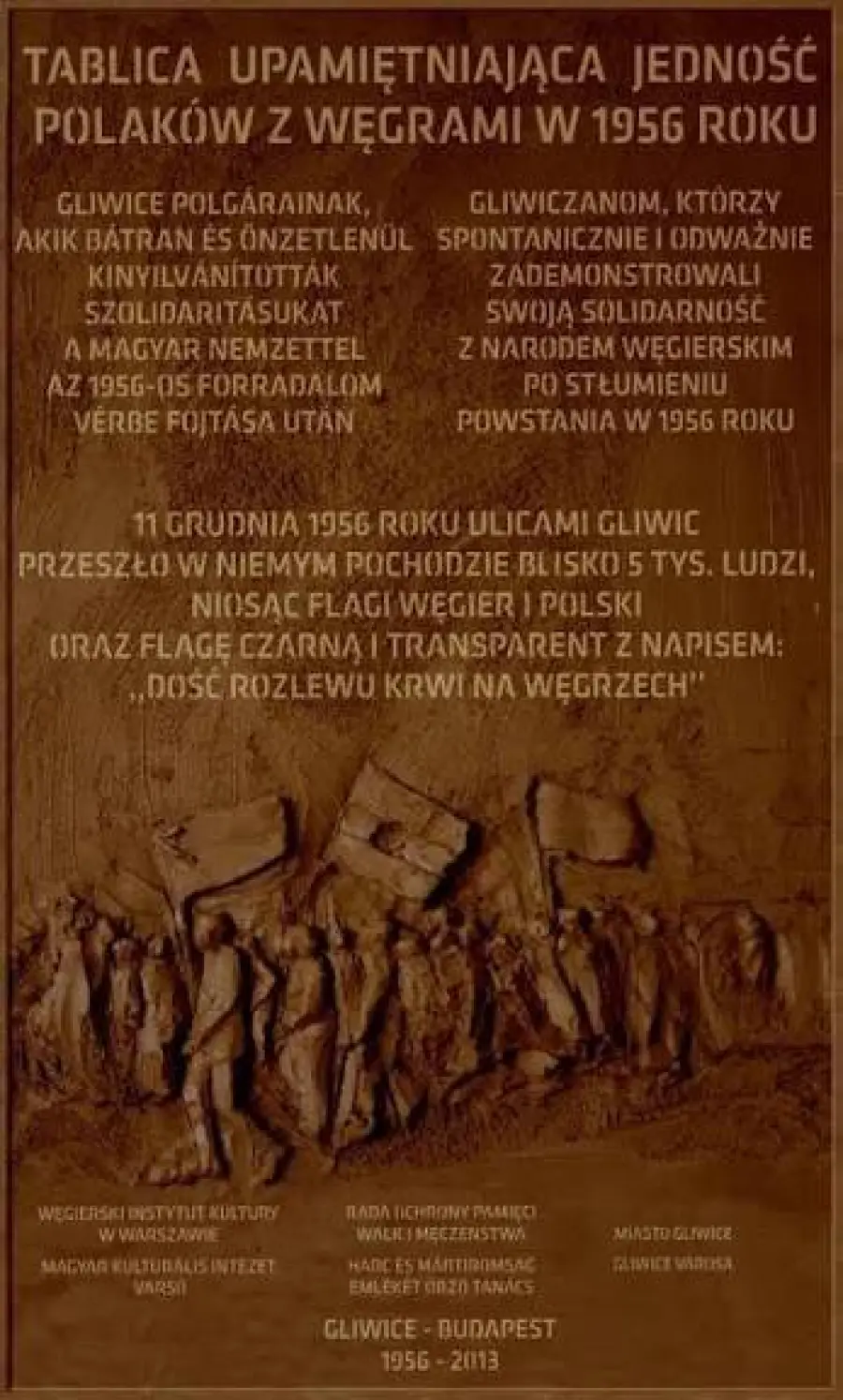
A plaque located under the arcades of the building at the corner of Victory Street (ul. Zwycięstwa) and Jan Matejko Street commemorates the solidarity shown by the residents of Gliwice with the Hungarian Revolution.
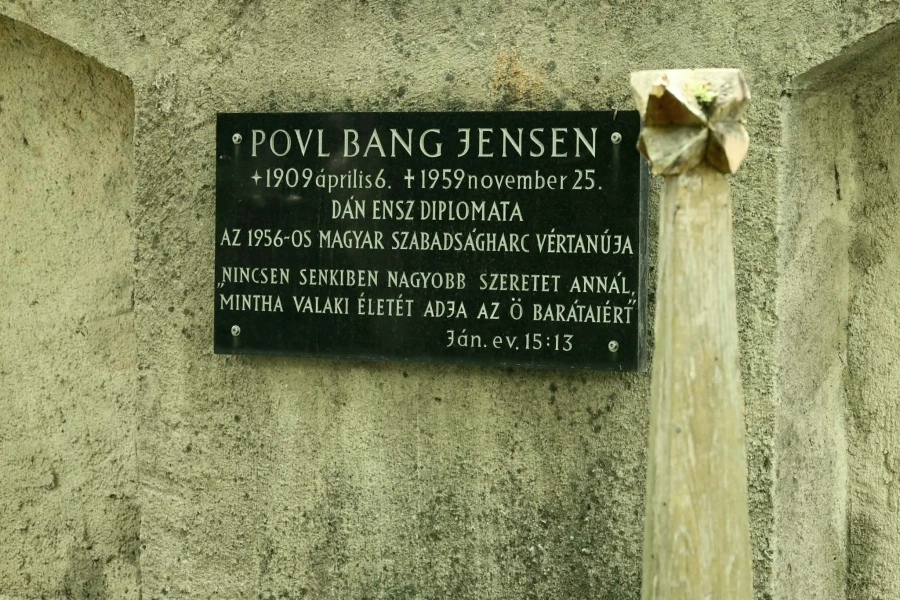
Commemorative plaque dedicated to Danish diplomat Povl Bang Jensen, a martyr of the 1956 events.
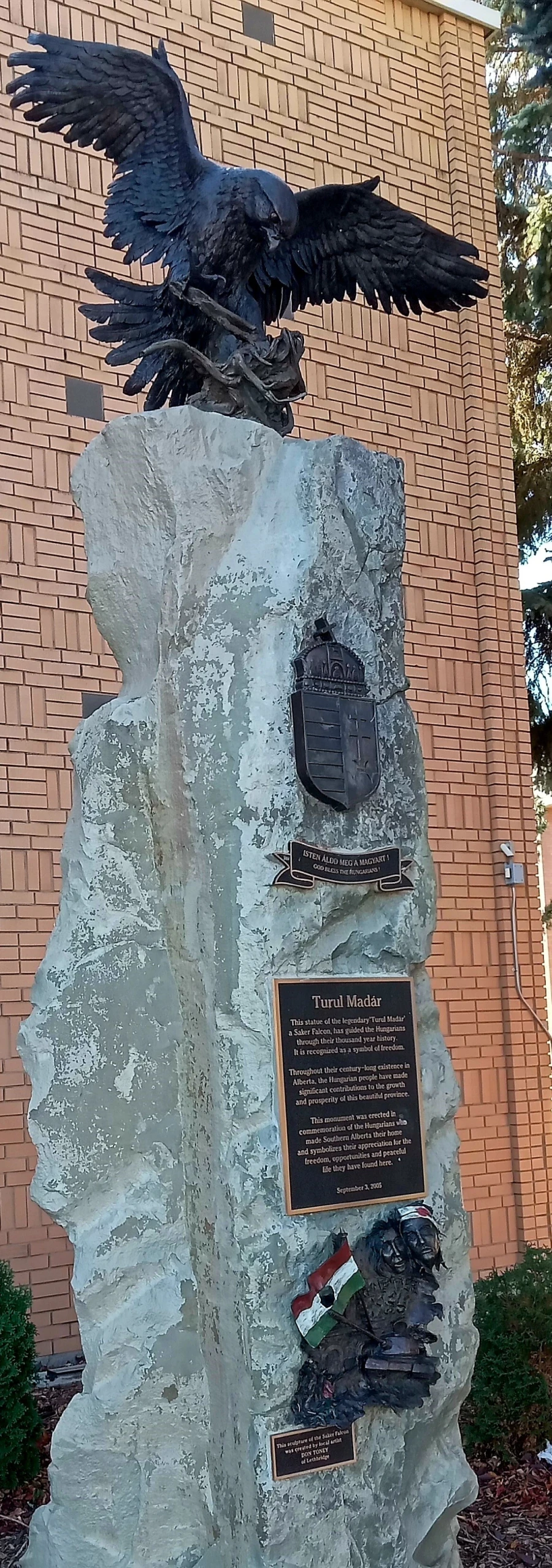
The monument was erected at the initiative of György Gemer on September 3, 2005, to mark the 100th anniversary of the province of Alberta. György Gemer was born in Felsőgöd and, after spending five years as a Soviet prisoner of war...
A few photographs and the exact location are already valuable
This site only uses cookies that are strictly necessary for it to work. Privacy notice