The history of the Sopron Division is one of the most moving and cinematic chapters in the stories of Hungarian émigrés. It recounts the unprecedented escape of an entire university faculty — professors, students and their families — to Vancouver, Canada. During the revolution, students from the Sopron Faculty of Forestry played a key role in the events. When the struggle for freedom was crushed, it became clear that remaining in Hungary would endanger their lives.
In November, around 220 forestry students and several professors left their homes and crossed the Austrian border, hoping their exile would be temporary. However, they soon realised that there was no turning back. Yet since they wanted to stay together and complete their studies, their dean, Károly Roller, wrote to numerous countries seeking assistance from the local authorities. Ultimately, Canada and the University of British Columbia offered to allow the entire forestry department from Sopron to relocate to Vancouver. They were not only permitted to continue their studies, but also to complete their university education in their native language under Hungarian professors and be awarded Canadian degrees. The group, which arrived in early 1957, was first housed in temporary accommodation in Powell River. Later that same year, they moved into their designated space on the Vancouver campus, where the renowned Sopron Division was established.
The students formed an extraordinary community, forged by Selmecbánya's ancient student traditions and their shared trauma. The Canadians watched their camaraderie with sincere admiration. Although their teachers initially taught in Hungarian, the students gradually had more and more classes in English, which helped them to integrate quickly. They learned English and mastered the specifics of Canadian forestry. In May 1958, they received their first diplomas, featuring the Hungarian national-coloured ribbon alongside the Canadian green ribbon. By the time the final class graduated in 1961, a total of 141 Hungarian forestry engineers had received their diplomas. They went on to play a fundamental role in shaping British Columbia’s forestry industry and higher education. Among them were renowned professionals and leaders who made an indelible mark through their work in forestry and are still respected today as key figures in the modernisation of Canadian forestry. Given their influence and solidarity, however, many people jokingly referred to them as the 'Hungarian mafia'.
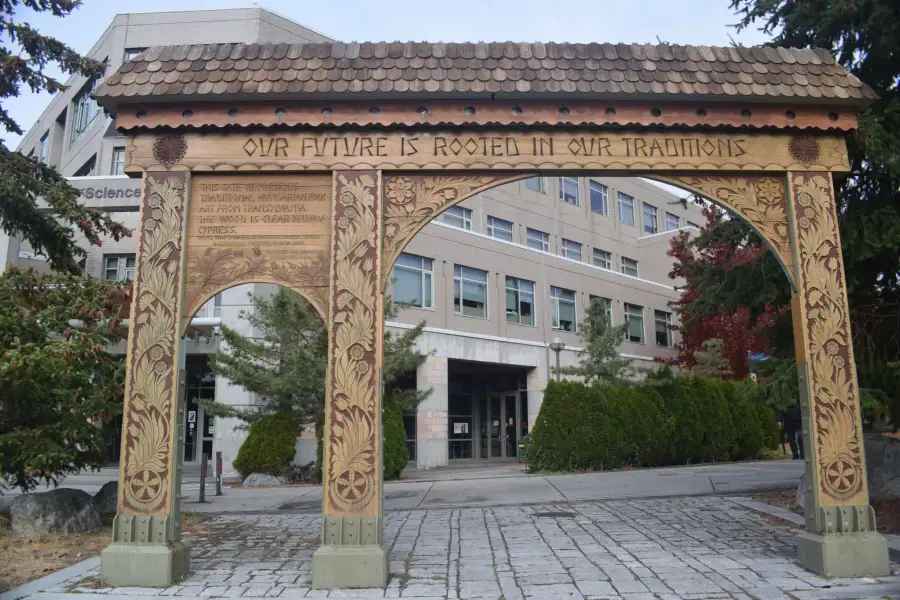
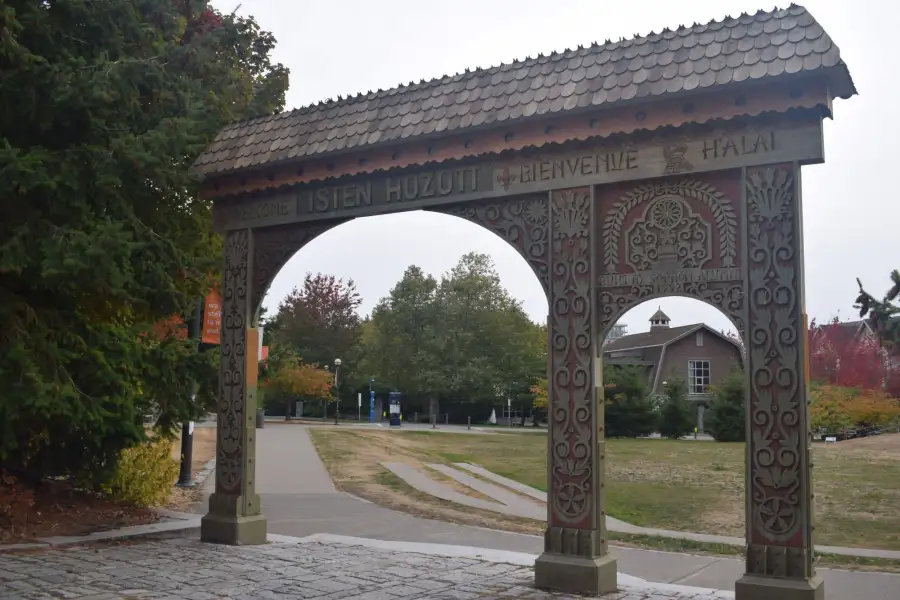
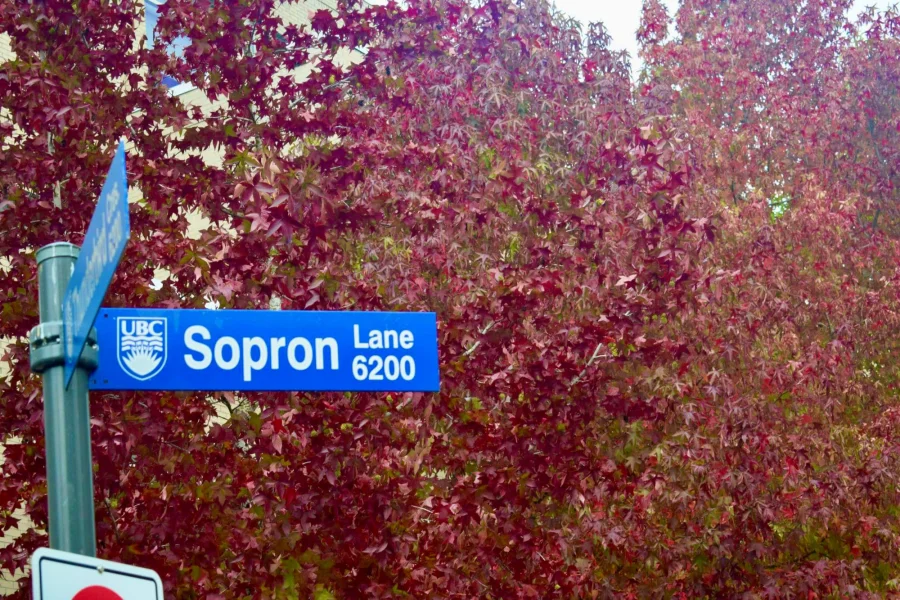
On the campus of the University of British Columbia in Vancouver, Sopron Lane and Sopron Gate, a traditional Szekler gate, still preserve the memory of these Hungarian students to this day.